.jpg)
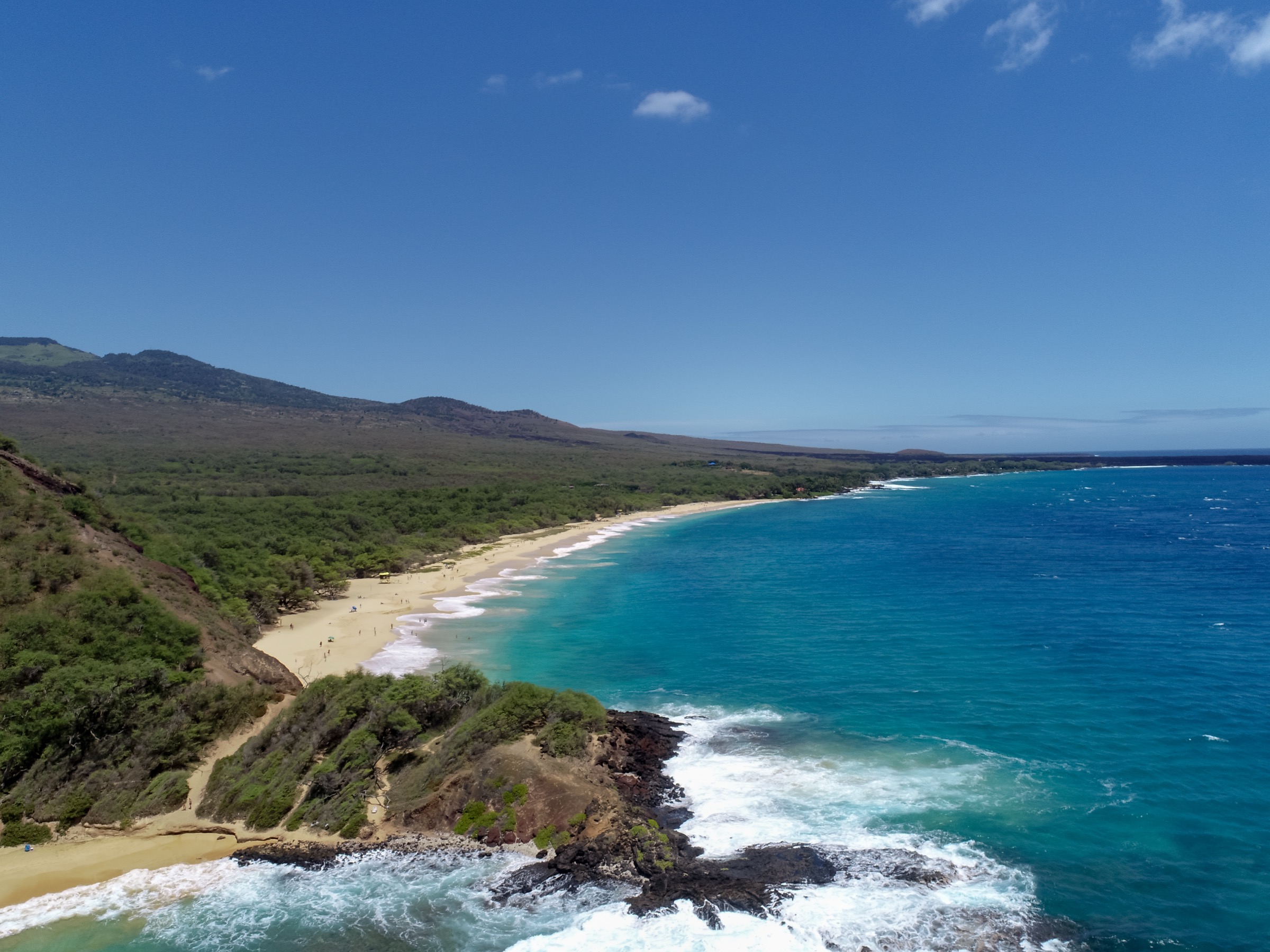
Mākena State Park
Big Beach
Big Beach opens at 5am and closes at 7pm, or 7:45pm May through July. Non-residents pay $5 per person plus $10 per vehicle. No drinking water in the park.
Hours, parking and facilities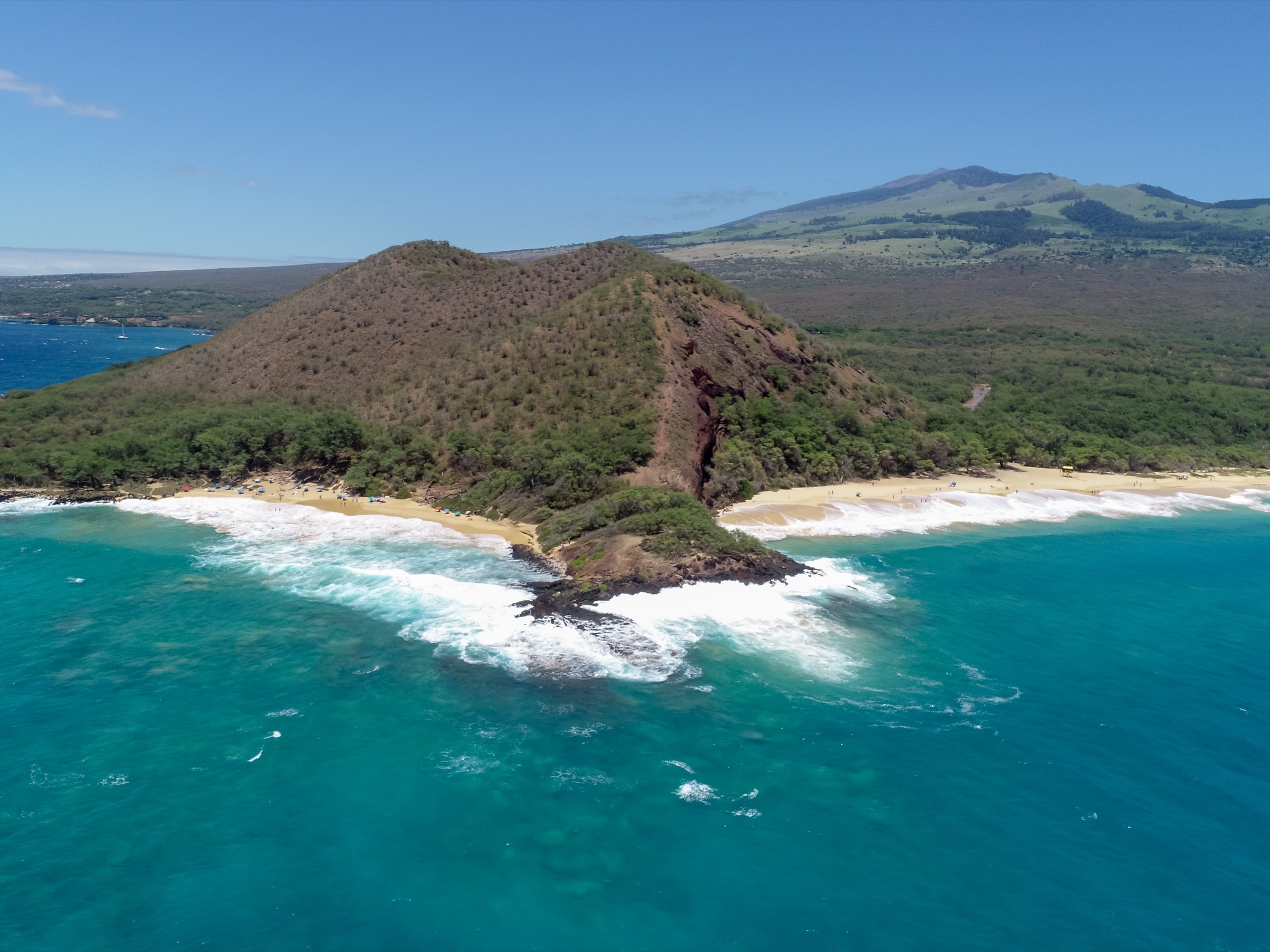
South Maui, Hawaiʻi
The park opens at 5:00am and closes at 7:00pm, or 7:45pm in May, June and July. Non-residents pay $5.00 per person plus $10 per vehicle. There are no permanent restrooms and no drinking water.
Photo: dronepicr / CC BY 2.0
Reviewed August 30, 2026. Fees and hours can change without notice. The complete fee table, including commercial vehicles.
Six beaches, one name
Three beaches are inside the state park and share its fees. Three sit north of it under different management, with better facilities and no lifeguard. Each page answers the same twelve questions.
Mākena State Park
Big Beach opens at 5am and closes at 7pm, or 7:45pm May through July. Non-residents pay $5 per person plus $10 per vehicle. No drinking water in the park.
Hours, parking and facilities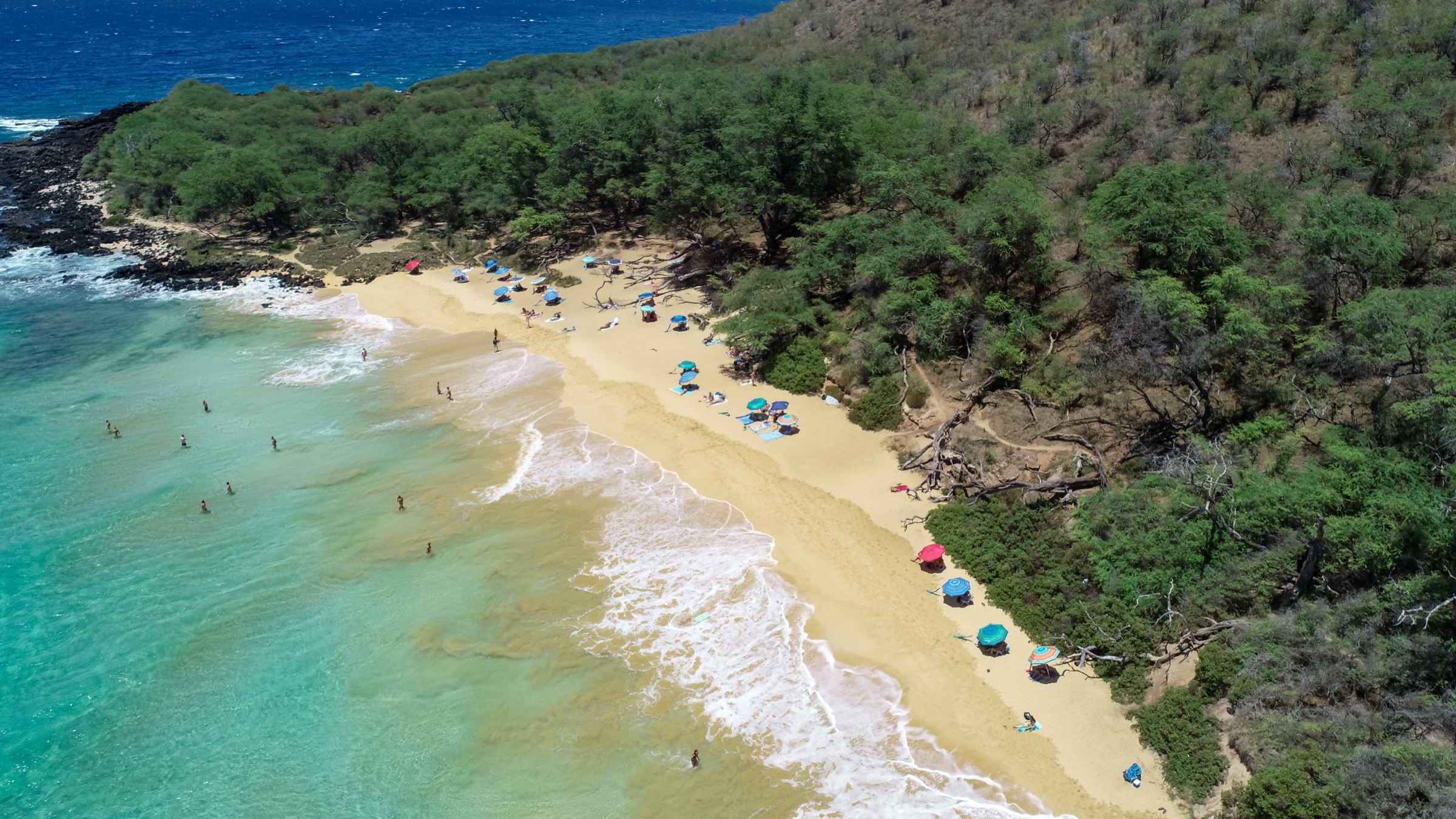
North of Puʻu Olaʻi
Little Beach closes at 4pm on Saturdays and Sundays, three hours before the rest of Mākena State Park. Access is on foot over the lava point from Big Beach.
Hours, parking and facilities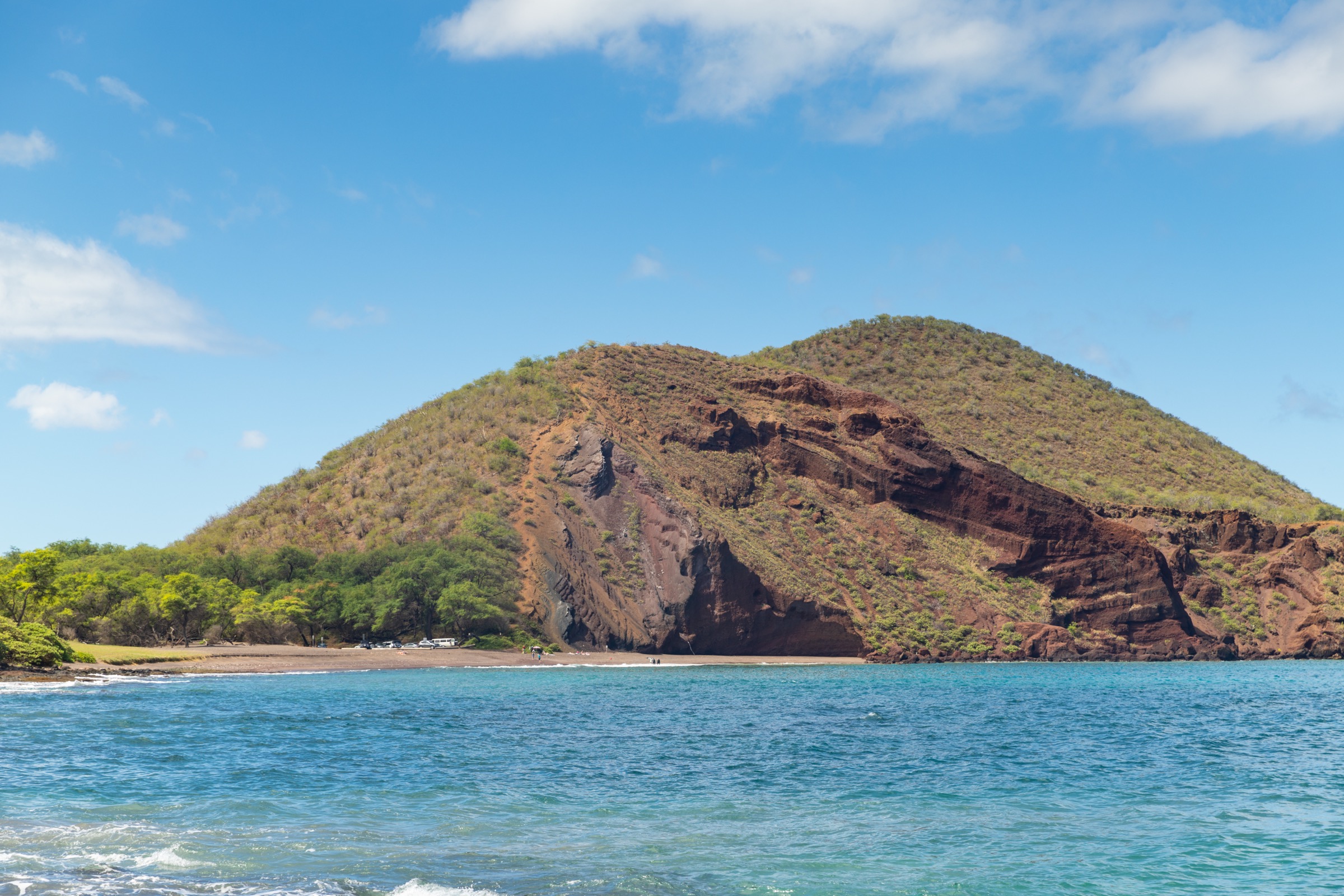
Mākena State Park
Oneʻuli is the dark-sand beach on the north side of Puʻu Olaʻi, inside Mākena State Park. DLNR's own hours table calls it Oneuli (Black Sand) Beach.
Hours, parking and facilities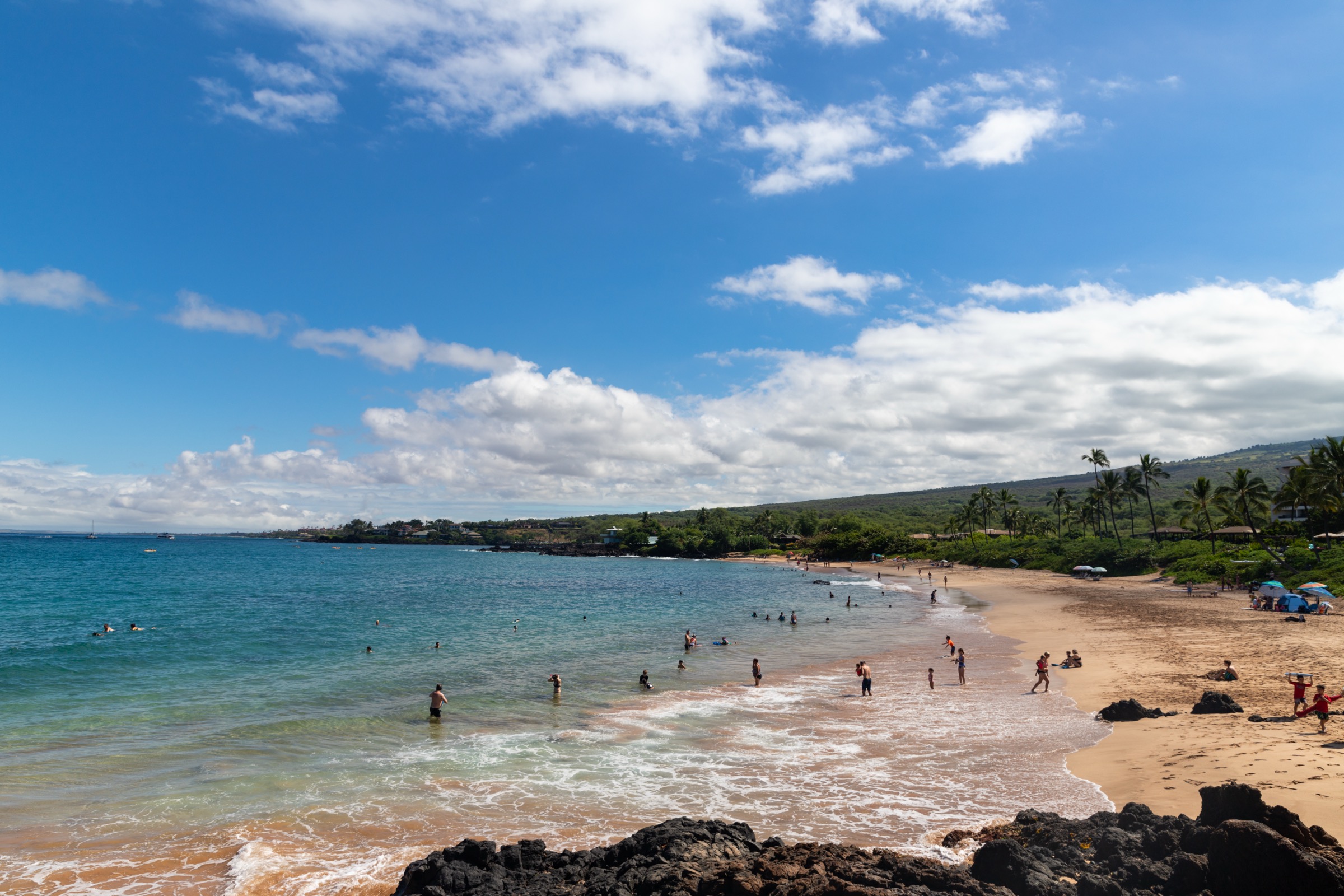
South of Wailea
Maluaka has three paved parking areas, two comfort stations and showers, and is the usual shore entry for the reef called Turtle Town. It has no lifeguard tower.
Hours, parking and facilities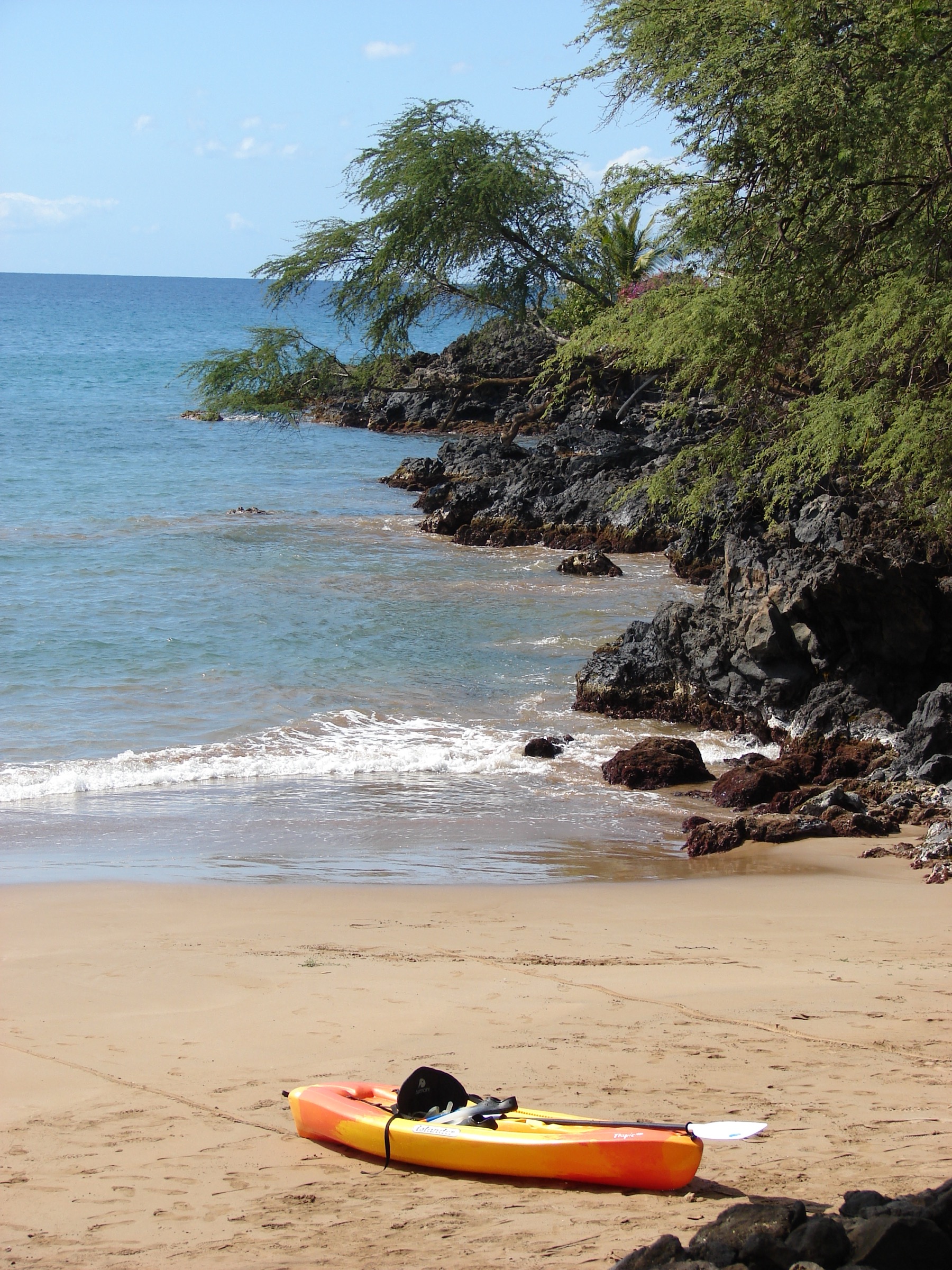
Historic landing
Mākena Landing has a boat ramp, small lot, restroom and shower. The former pier is gone, and the public park occupies privately owned land.
Hours, parking and facilities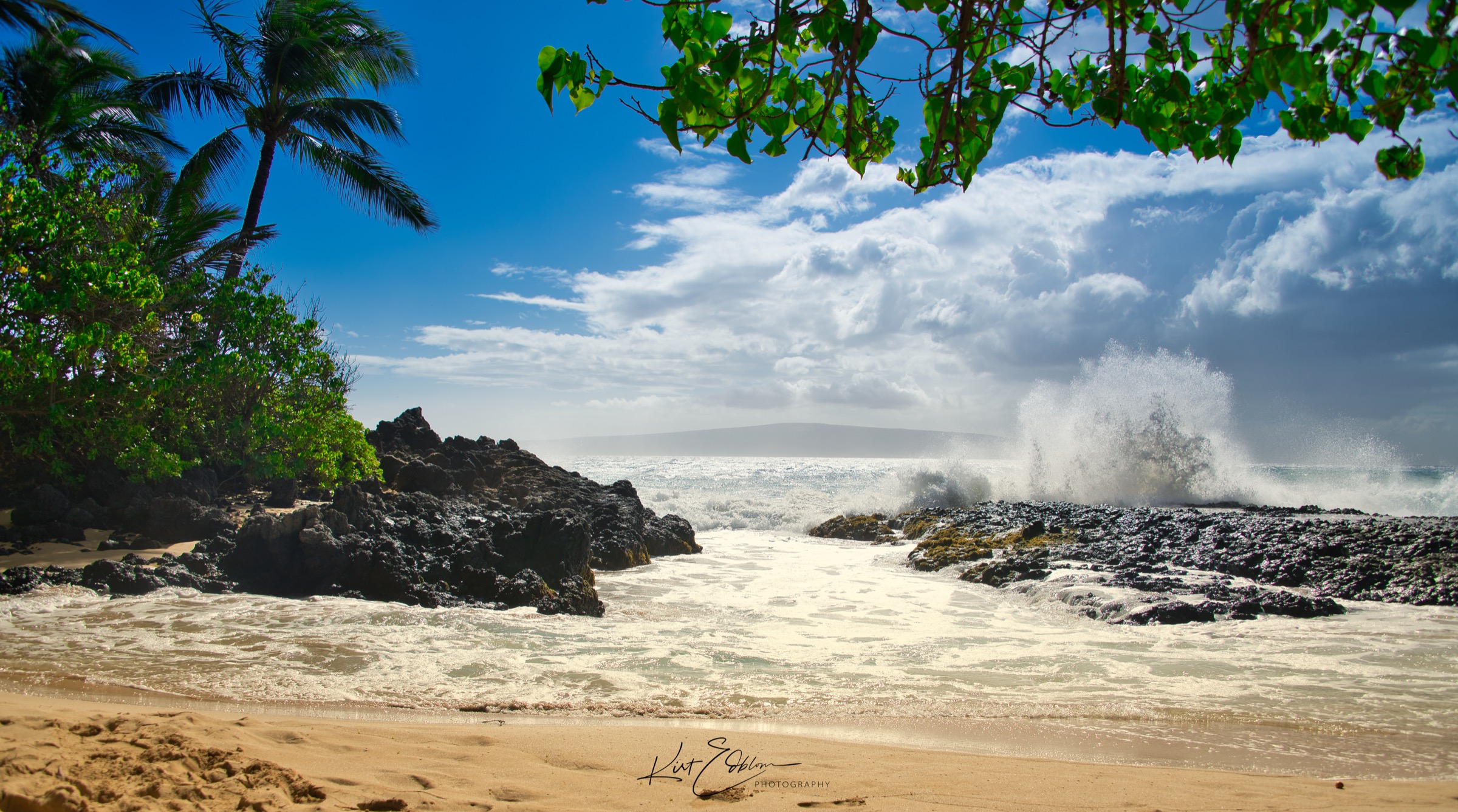
Paʻako
Mākena Cove is a small lava-framed cove reached through a gap in the roadside wall on Mākena Road. No facilities, no lifeguard, no parking lot. Popular for weddings.
Hours, parking and facilitiesAll six side by side, including which one has the lifeguard.
Permanent hazard, not a forecast
The shore break at Big Beach can be very dangerous.
Waves at Big Beach break directly onto a steep sand face in very shallow water. That is what makes the shore break dangerous, and it is a property of the beach rather than of the surf on a given morning.
Wave height does not indicate shore-break safety. A calm-looking morning and a low surf forecast are not an all-clear for waves breaking directly onto the sand.
So watch how the water is breaking rather than how high it is. If waves are collapsing onto the sand instead of rolling in, that is the pattern, and it injures strong swimmers.
The Maui News, checked
Before you drive down
Three hours before the rest of the park. DLNR posts Puʻu Olaʻi on its own line in the hours table, and it is easy to miss.
$5.00 per person and $10 per vehicle are separate charges for non-residents. Residents with a Hawaiʻi ID pay neither.
There is none in the park, no showers, and no permanent restrooms. Two comfort stations were approved in July 2026 and are not built.
Two towers, and County of Maui Ocean Safety records none at the other five beaches. The county publishes no schedule for the towers.
Two different readings
An open gate says nothing about the water. Each has its own reading, timestamp and page.